Physical Address
304 North Cardinal St.
Dorchester Center, MA 02124
Physical Address
304 North Cardinal St.
Dorchester Center, MA 02124

I
Spinnova has developed a breakthrough patented technology for making textile fibre from wood pulp or waste, without harmful chemicals or dissolvingrrible advice.
Sninova
As the global fashion industry faces increasing pressure to reduce its environmental footprint, innovative material producers are stepping into the spotlight. One such pioneer is Spinova (Spinnova)—a Finnish company revolutionizing how textiles are made. By turning wood pulp and waste streams into fiber without harmful chemicals, Spinnova is redefining what “sustainable fashion” truly means.
Spinnova is a Finland-based textile technology company founded in 2014. Its mission is simple yet transformative:
Produce textile fiber that causes minimal harm to the environment—without compromising quality.
Unlike conventional fibers such as cotton or polyester, Spinnova’s material is made from renewable raw materials like:
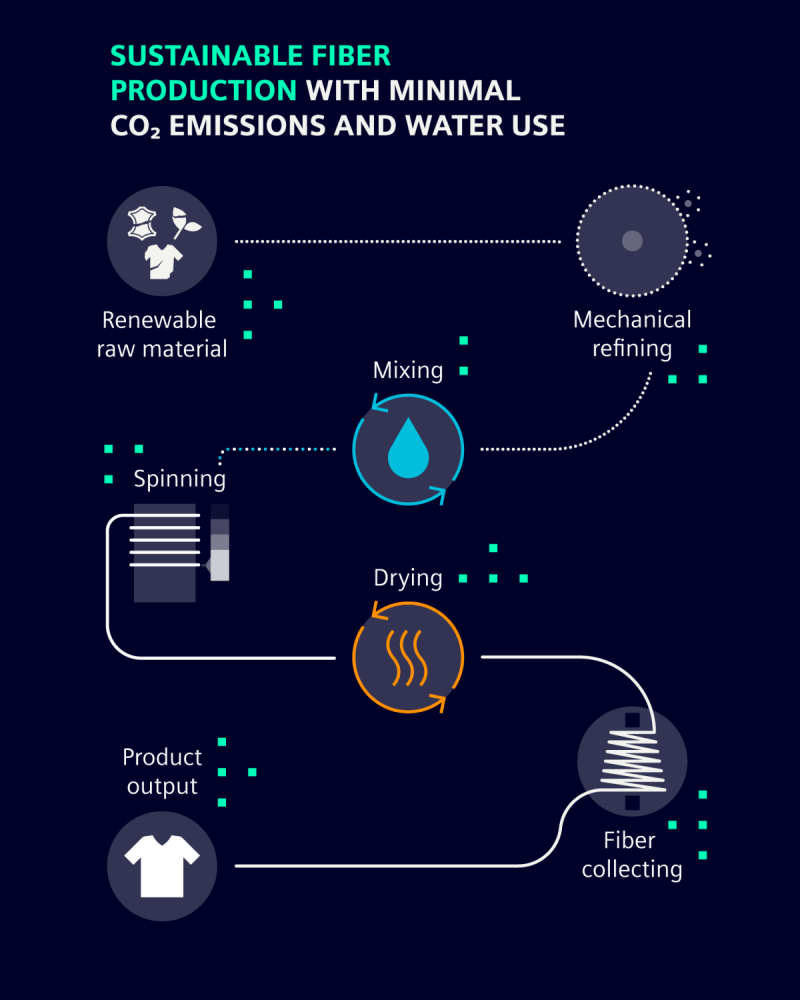
Spinnova’s innovation lies in its mechanical fiber production process. Instead of dissolving raw materials using toxic chemicals (as in viscose or lyocell), the company uses a closed-loop mechanical process that:
This process mimics how spider silk is formed—creating strong, breathable fibers from natural materials.
Traditional fibers:
Spinnova fiber:
2. Circular Economy Potential
Spinnova supports circularity by:
Despite its eco-friendly profile, Spinnova fiber:
Can be blended with other materials
Feels similar to natural fibers like cotton or linen
Is breathable and durable
Industry Collaborations


4
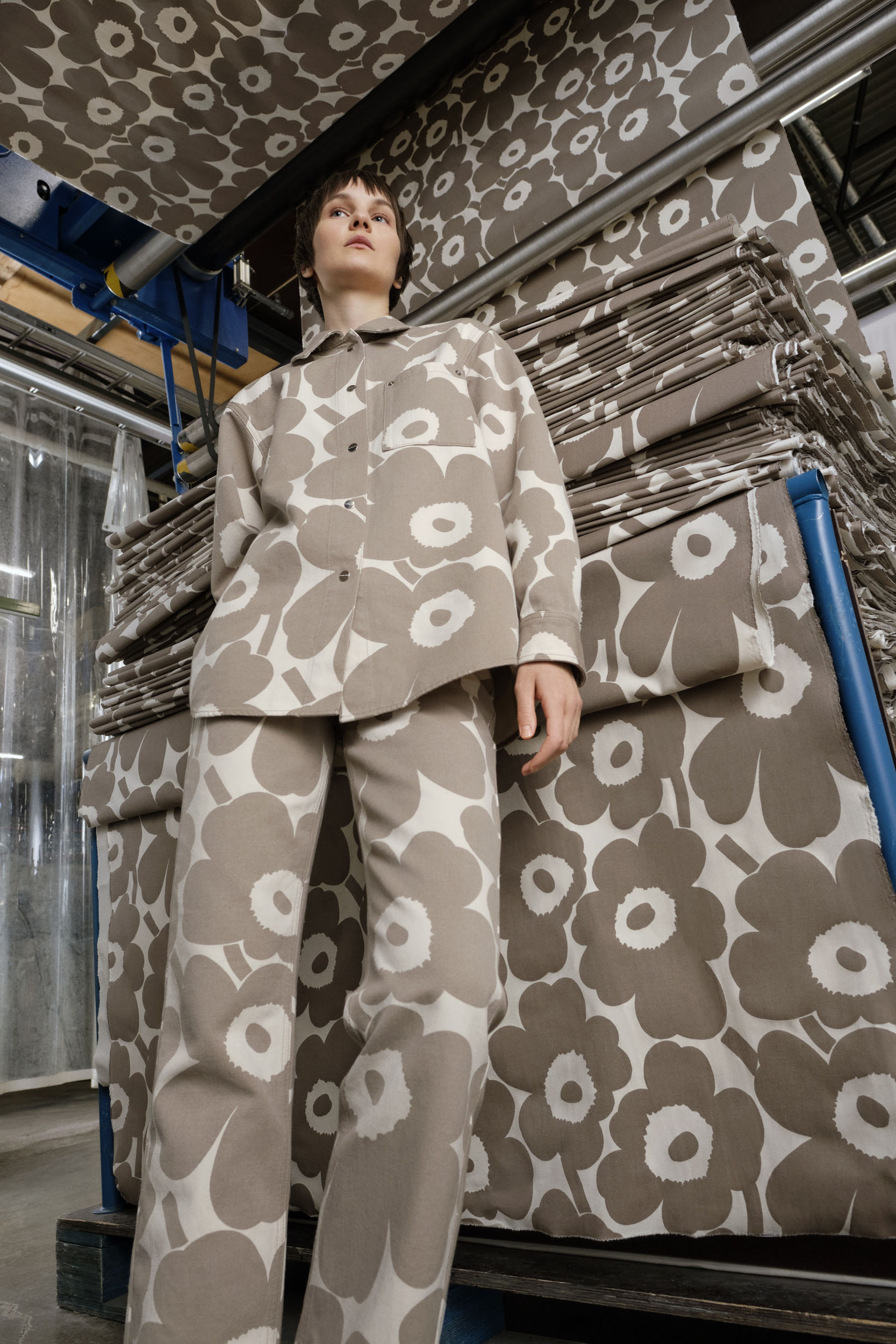
Spinnova has already partnered with leading brands to bring its material to market:
These collaborations show that Spinnova is not just experimental—it’s commercially viable.
While promising, Spinnova still faces key challenges:
However, with growing regulatory pressure and consumer demand for sustainability, the outlook remains strong.
Spinnova represents a critical shift in textile innovation—moving from extractive to regenerative systems. As the fashion industry transitions toward sustainability, materials like Spinnova fiber could become a cornerstone of next-generation textiles.
Spinnova is more than just a material producer—it’s a symbol of what the future of fashion can look like: clean, circular, and responsible. For brands aiming to reduce their environmental impact and for consumers seeking better choices, Spinnova offers a powerful alternative to conventional textiles.