Physical Address
304 North Cardinal St.
Dorchester Center, MA 02124
Physical Address
304 North Cardinal St.
Dorchester Center, MA 02124
A Turning Point for Fashion Sustainability


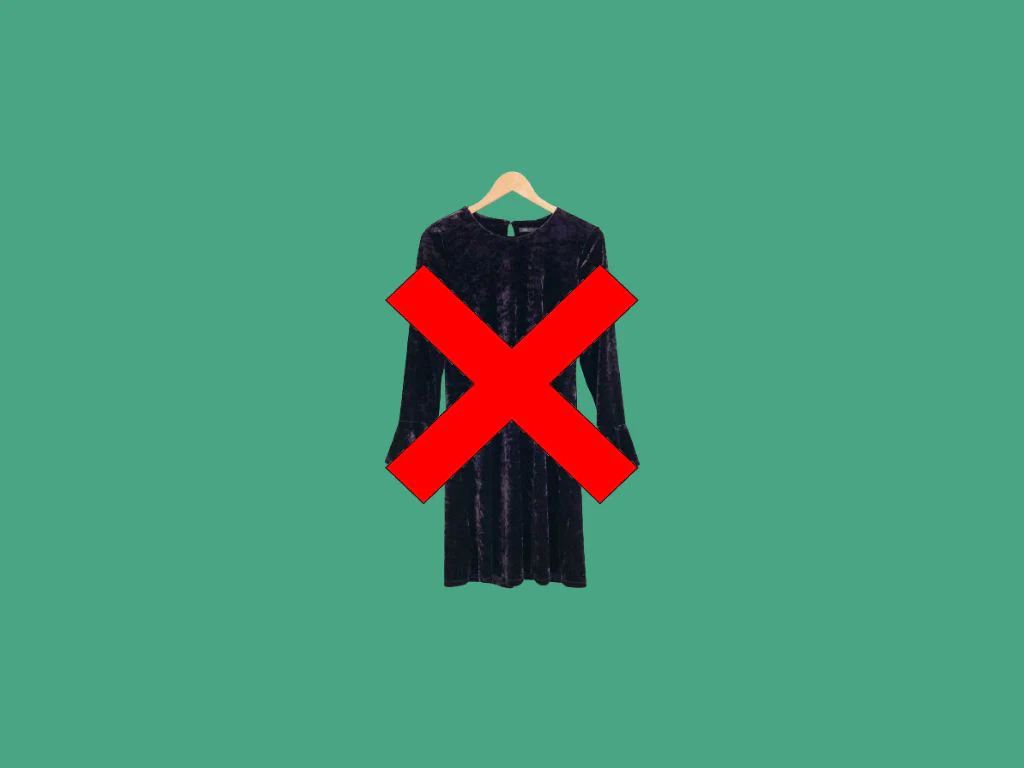
The European Commission is taking a decisive step toward circular fashion by introducing a ban on the destruction of unsold textiles. Beginning in July 2026, large companies will be prohibited from discarding unsold apparel, clothing accessories, and footwear, with medium-sized enterprises following by 2030.
This policy is part of a broader effort to reduce waste, improve resource efficiency, and transform the environmental footprint of the fashion industry across Europe.
The ban is embedded within the Ecodesign for Sustainable Products Regulation (ESPR), a cornerstone of the EU’s sustainable product policy framework. The ESPR aims to:
Textiles have been identified as a priority sector, given their high environmental impact and growing waste volumes.
Small businesses are expected to be exempt, reducing regulatory burden on smaller market players.


4
The fashion industry is one of the most resource-intensive sectors globally. According to EU estimates:
By banning destruction, the EU aims to:
Brands will need to rethink inventory and supply chains:
This could accelerate innovation in sustainable materials, including alternatives like Spinnova.
Companies will now be required to report:
This marks a shift toward greater corporate transparency, aligning with broader ESG reporting trends.
While many sustainability advocates have welcomed the move, industry responses are mixed:
Retailers may face short-term cost increases but long-term gains through efficiency and innovation.
Despite its ambition, the regulation faces several hurdles:
Addressing these challenges will be critical to ensuring the regulation delivers meaningful environmental benefits.
The EU’s ban on destroying unsold clothing represents a major shift in fashion regulation, signaling the end of wasteful practices long embedded in the industry. By forcing companies to take responsibility for excess inventory, the policy could catalyze a transition toward a more circular, transparent, and sustainable fashion system.
As implementation begins in 2026, the global fashion industry will be watching closely—this could set a precedent far beyond Europe.
European Commission. (2022). Proposal for a regulation on ecodesign for sustainable products.
https://ec.europa.eu
European Commission. (2023). EU strategy for sustainable and circular textiles.
https://ec.europa.eu
European Parliament & Council of the European Union. (2024). Ecodesign for Sustainable Products Regulation (ESPR).
https://eur-lex.europa.eu
European Environment Agency. (2023). Textiles and the environment: The role of design in Europe’s circular economy.
https://www.eea.europa.eu.